
Role
Product Designer
Timeline
Feb 2025
– Dec 2025
Team
Isanna Wong
Skills
User Research
Branding
overview
I rebranded a fitness program with 200K followers by shifting focus from the founder's personality to the product he was actually selling.
His site was covered in photos of himself and sentences full of "I" and "my." Anyone who wasn't already a follower had no idea what they were buying. I rebranded the site around his actual goal: filling each intake season with the right people.
Within the first week of launching the redesigned site and new application flow, 25% of total visitors signed up.
overview
I rebranded a fitness program with 200K followers by shifting focus from the founder's personality to the product he was actually selling.
His site was covered in photos of himself and sentences full of "I" and "my." Anyone who wasn't already a follower had no idea what they were buying. I rebranded the site around his actual goal: filling each intake season with the right people.
Within the first week of launching the redesigned site and new application flow, 25% of total visitors signed up.
context & research
The site could not answer the two questions every cold visitor was asking: What am I signing up for and why?
The value proposition was missing. There was nothing that separated this program from any other fitness offer online. Visitors could not tell what they were actually buying.
The heuristic evaluation made it more concrete: chaotic visual hierarchy, illegible text, a weak CTA that was hard to find, and broken navigation.
The competitor audit revealed what credibility actually looks like in this space. Every strong program showcased real client stories with specific timelines and measurable results.
Value Prop
Accessibility
UX Writing
Features
Branding
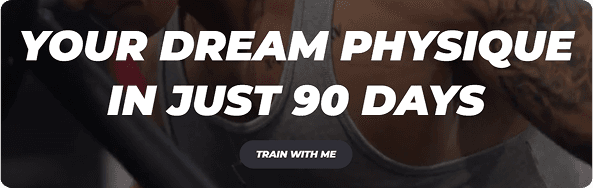
before
"Your dream physique in just 90 days."
Vague and interchangeable. Could belong to any fitness program. Said nothing about what made this approach different.
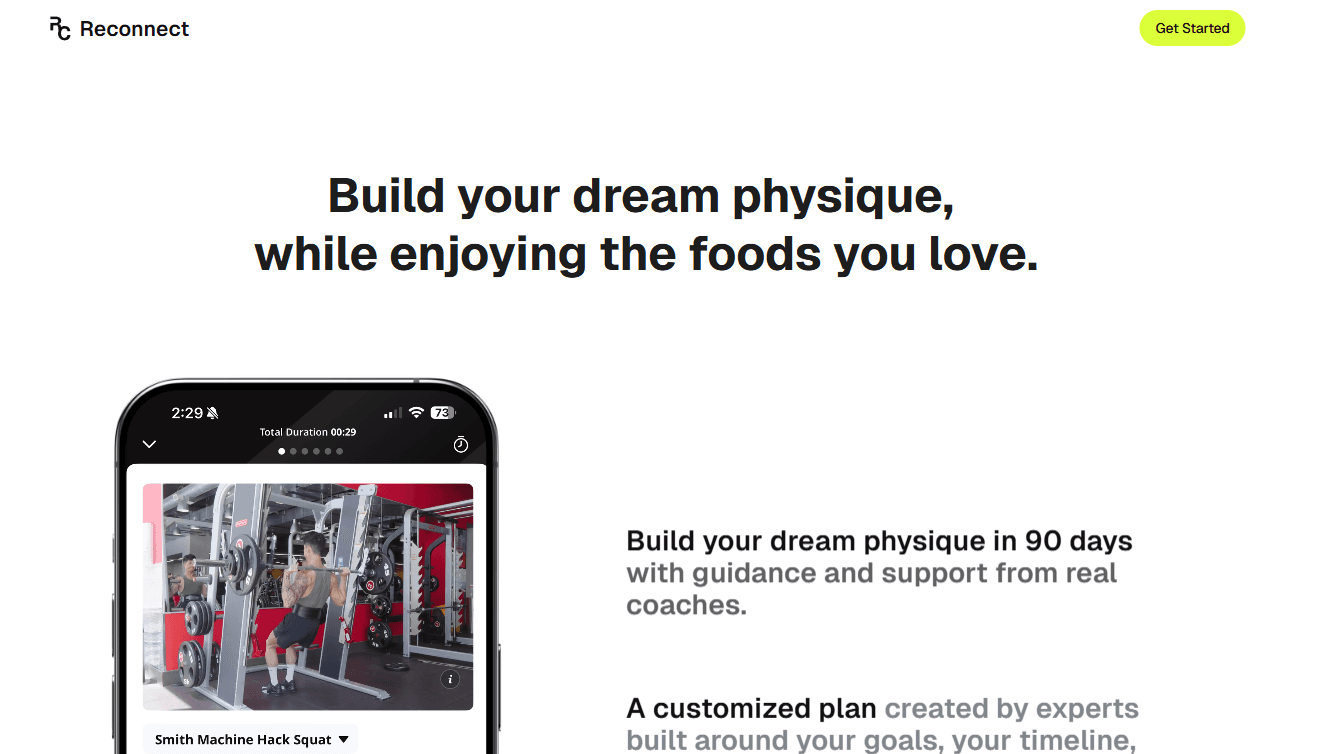
After
"Build your dream physique while enjoying the foods you love."
Specific to the program. Signals that nutrition and cooking at home are central to the journey. Sets the right expectation from the first interaction.
context & research
The site could not answer the two questions every cold visitor was asking: What am I signing up for and why?
The value proposition was missing. There was nothing that separated this program from any other fitness offer online. Visitors could not tell what they were actually buying.
The heuristic evaluation made it more concrete: chaotic visual hierarchy, illegible text, a weak CTA that was hard to find, and broken navigation.
The competitor audit revealed what credibility actually looks like in this space. Every strong program showcased real client stories with specific timelines and measurable results.
Value Prop
Accessibility
UX Writing
Features
Branding
before
"Your dream physique in just 90 days."
Vague and interchangeable. Could belong to any fitness program. Said nothing about what made this approach different.
After
"Build your dream physique while enjoying the foods you love."
Specific to the program. Signals that nutrition and cooking at home are central to the journey. Sets the right expectation from the first interaction.
defining the strategy
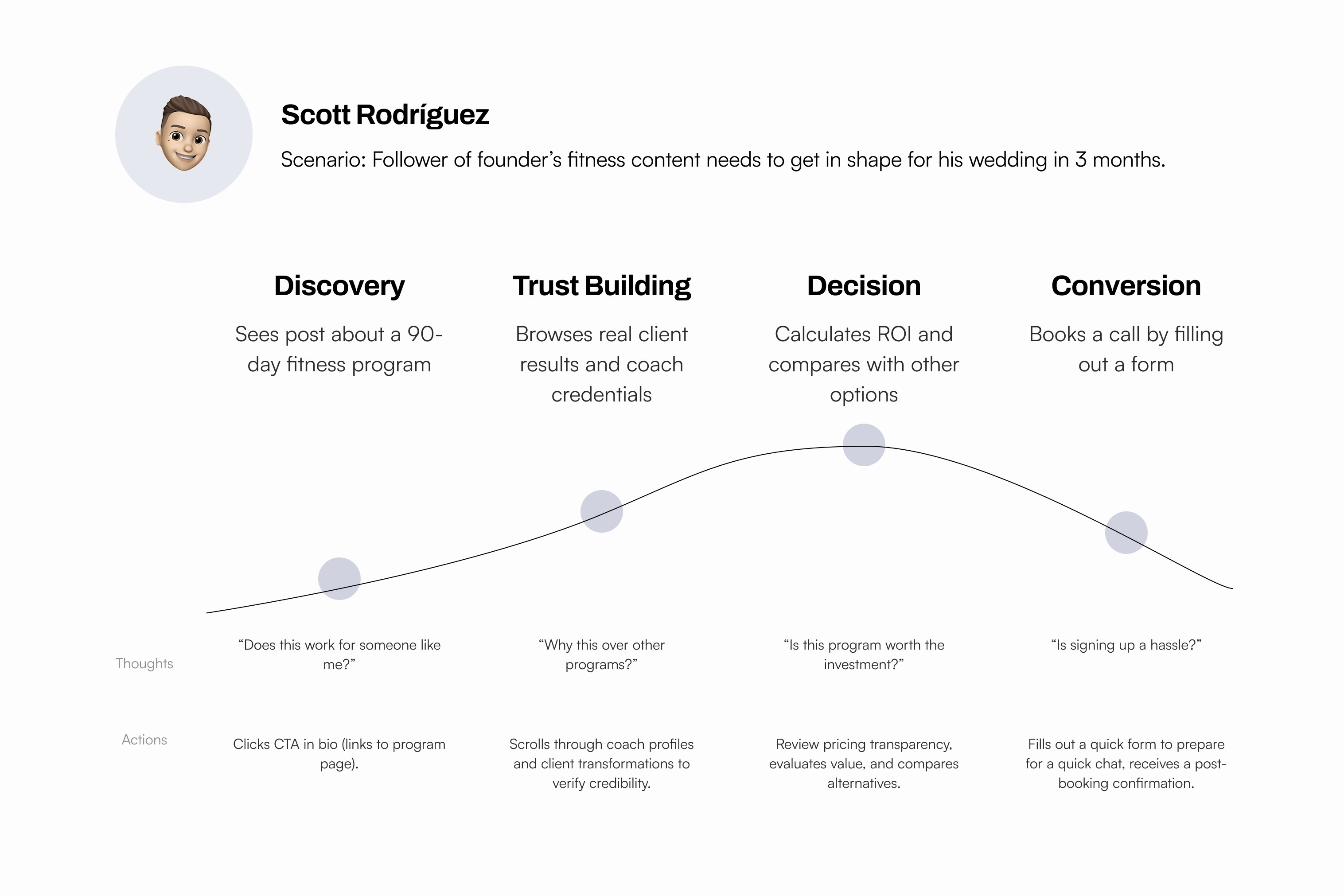
It was necessary to rebuild the narrative around client success to gain trust and justify the program's value before asking for a commitment.
The persona grounded the decisions. Someone ready to invest but needing two questions answered first: what are the results actually like, and what exactly am I signing up for. That shaped the page structure, what content I prioritised, and how I wrote the form so the next step always felt clear.
defining the strategy
It was necessary to rebuild the narrative around client success to gain trust and justify the program's value before asking for a commitment.
The persona grounded the decisions. Someone ready to invest but needing two questions answered first: what are the results actually like, and what exactly am I signing up for. That shaped the page structure, what content I prioritised, and how I wrote the form so the next step always felt clear.
Finding middle ground
We had two points of tension: pricing and call volume. I designed solutions that made both of us right.
pivot #1
Filtering for quality over volume
I went in focused on conversion rate until the founder told me he didn't want more calls, just better ones. Unqualified leads were burning his small team's hours.
So I designed an application form to filter prospects before the calendar. We A/B tested it against a direct CTA and the form won. Volume dropped slightly, but every call now came with context and commitment.
pivot #2
Navigating the pricing constraint
He refused to show pricing even though every competitor did. Pushing would have broken trust, so I worked within his constraint.
I added an FAQ that addressed cost expectations indirectly. It answered the questions hesitant users were asking, and the missing number never blocked a conversion.
Finding middle ground
We had two points of tension: pricing and call volume. I designed solutions that made both of us right.
pivot #1
Filtering for quality over volume
I went in focused on conversion rate until the founder told me he didn't want more calls, just better ones. Unqualified leads were burning his small team's hours.
So I designed an application form to filter prospects before the calendar. We A/B tested it against a direct CTA and the form won. Volume dropped slightly, but every call now came with context and commitment.
pivot #2
Navigating the pricing constraint
He refused to show pricing even though every competitor did. Pushing would have broken trust, so I worked within his constraint.
I added an FAQ that addressed cost expectations indirectly. It answered the questions hesitant users were asking, and the missing number never blocked a conversion.
final designs
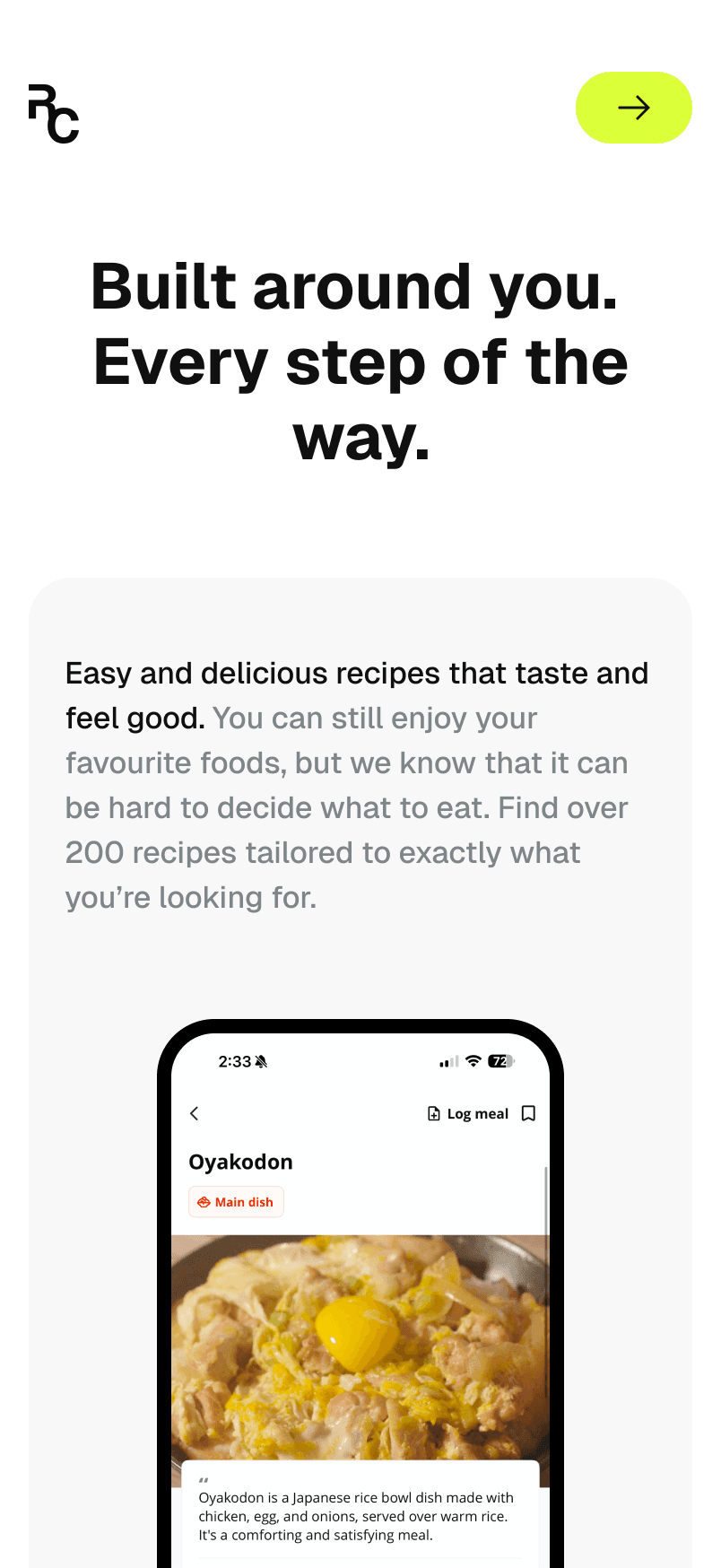
I redesigned the full site and renamed the program to reflect what it was actually selling.
The original brand was named after the founder and built in black and white, it felt like it was made for serious athletes only. I shifted the visual direction to feel more accessible and renamed it Reconnect, reflecting the program's actual promise: reconnecting with your mind and body. Not just a 90 day fitness plan, not the founder's personal brand.
I built the full site in Framer, fully responsive. The previous site had no real mobile experience and most of the traffic was coming from Instagram.
app features
Three features of what the program delivers.
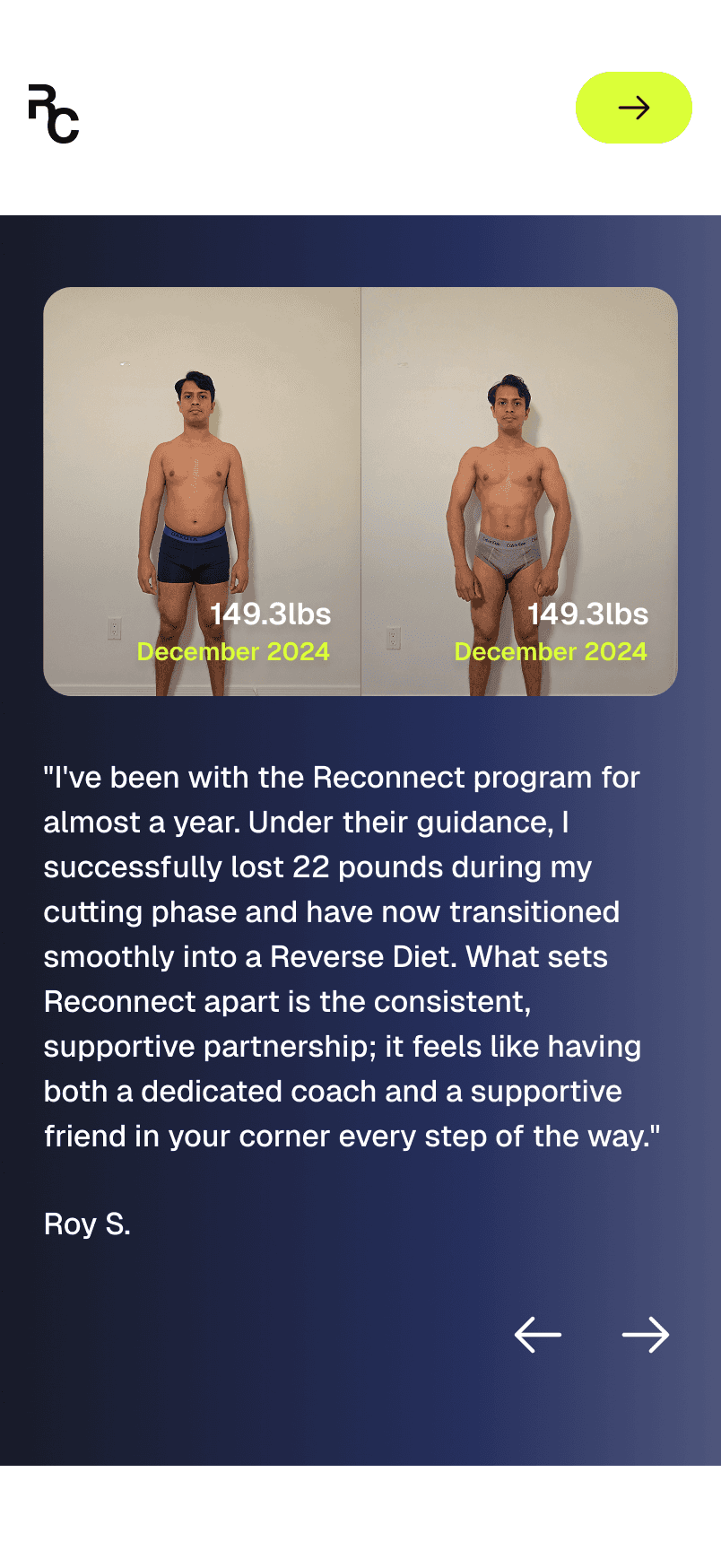
Client testimonials
Every testimonial had a face, story, and result.
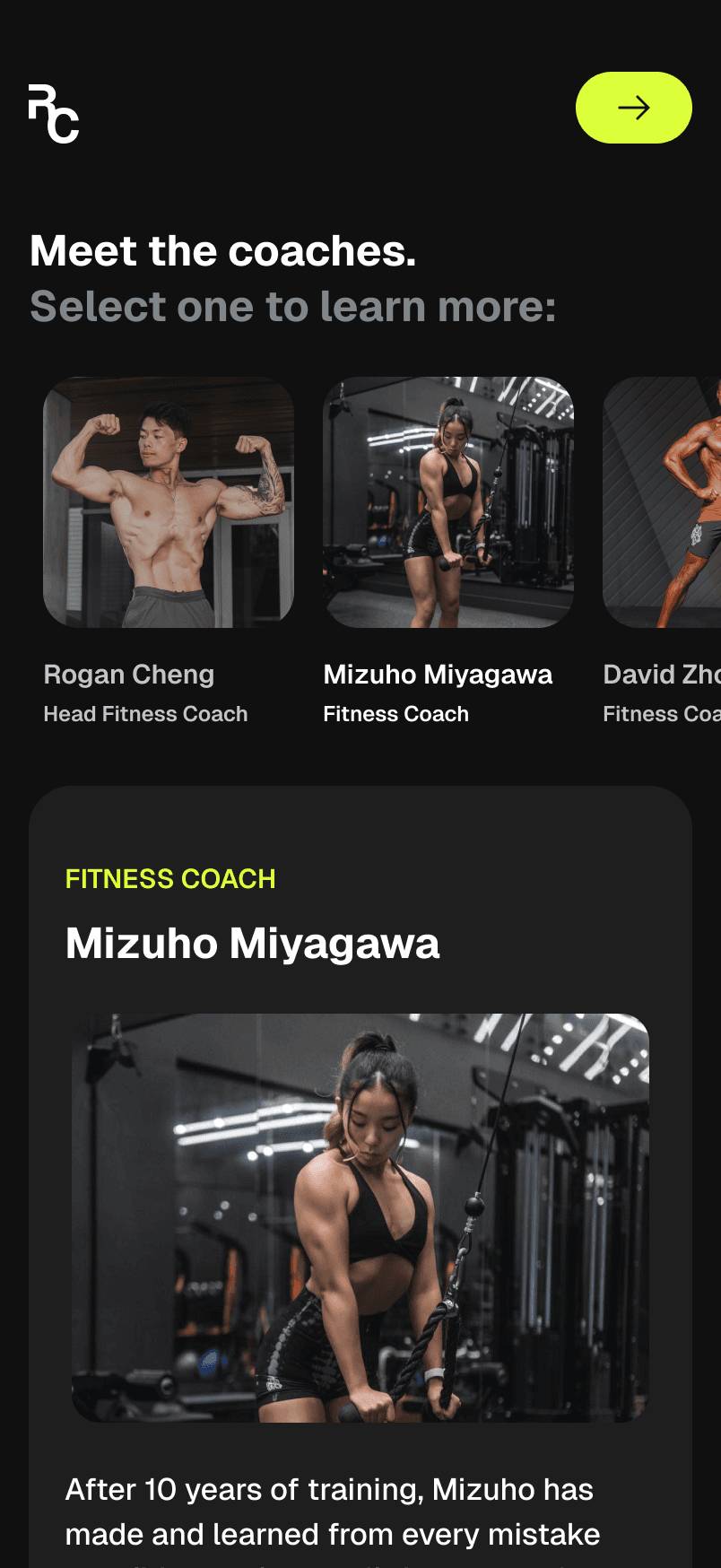
coaches
The team behind it all, not just the founder.
final designs
I redesigned the full site and renamed the program to reflect what it was actually selling.
The original brand was named after the founder and built in black and white, it felt like it was made for serious athletes only. I shifted the visual direction to feel more accessible and renamed it Reconnect, reflecting the program's actual promise: reconnecting with your mind and body. Not just a 90 day fitness plan, not the founder's personal brand.
I built the full site in Framer, fully responsive. The previous site had no real mobile experience and most of the traffic was coming from Instagram.
app features
Three features of what the program delivers.
Client testimonials
Every testimonial had a face, story, and result.
coaches
The team behind it all, not just the founder.
outcomes
Within the first week of launching, 25% of total visitors signed up.
82 applications submitted, giving the team a qualified candidate pool and enabling them to select 10 participants without unnecessary screening calls.
reflections
The biggest lesson was not about design. It was about not assuming you understand the goal before asking.
I went in thinking success meant a higher conversion rate, but the founder wanted the opposite. He wanted fewer, better qualified candidates. If I had not had that conversation early, I would have optimized for the wrong thing entirely and shipped something that looked successful on paper but did not actually serve the business. That one conversation reframed every decision that followed.
reflections
The biggest lesson was not about design. It was about not assuming you understand the goal before asking.
I went in thinking success meant a higher conversion rate, but the founder wanted the opposite. He wanted fewer, better qualified candidates. If I had not had that conversation early, I would have optimized for the wrong thing entirely and shipped something that looked successful on paper but did not actually serve the business. That one conversation reframed every decision that followed.